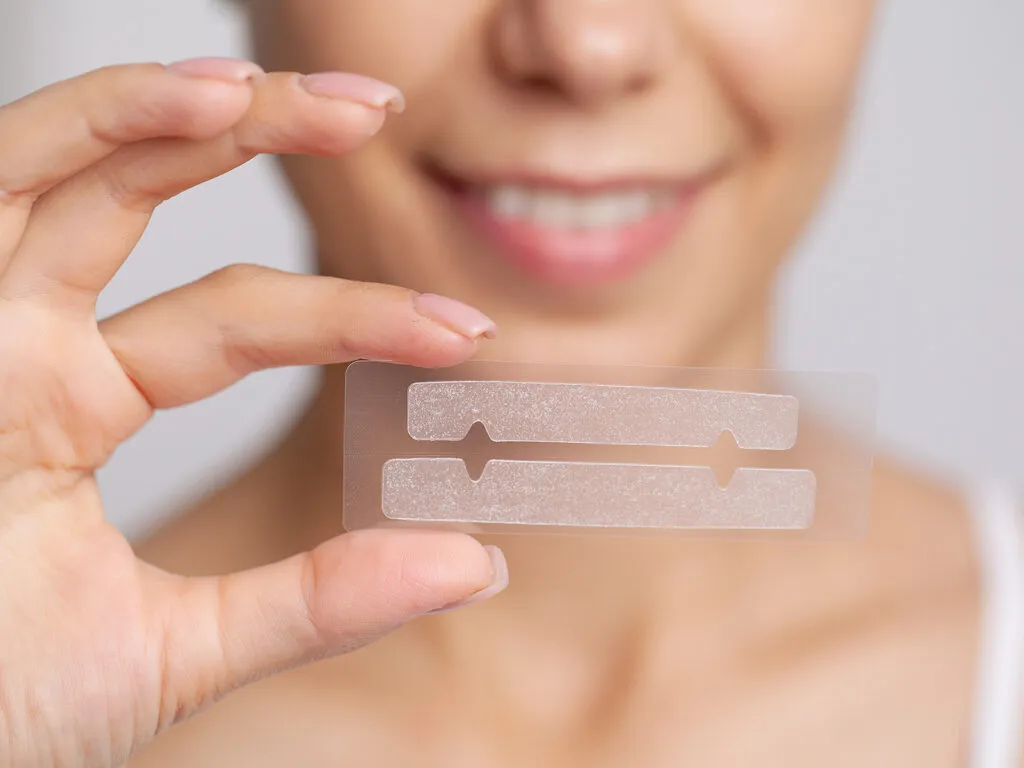
What Are Whitening Strips
Whitening strips have become a popular over-the-counter solution for achieving a brighter smile. These thin, flexible strips are coated with a whitening agent, typically hydrogen peroxide or carbamide peroxide, that adheres directly to the teeth. Designed to be easy to use at home, they offer a convenient alternative to professional teeth whitening treatments. The effectiveness of whitening strips stems from their ability to penetrate the enamel and break down stains and discoloration caused by various factors like coffee, tea, and aging. Understanding the composition and function of these strips is the first step toward using them effectively and safely. Many brands offer varying concentrations of the active ingredient, and the duration of use can also differ, making it essential to choose a product that aligns with your specific needs and dental health profile.
How Whitening Strips Work
The core mechanism behind whitening strips lies in their active ingredients’ ability to oxidize the stain molecules embedded in the enamel. When the peroxide-based whitening agent comes into contact with the teeth, it releases oxygen radicals. These radicals then penetrate the porous enamel and break down the complex organic molecules that cause discoloration. This process effectively lightens the shade of your teeth. The design of the strips is also crucial; they are shaped to fit the contours of your teeth, ensuring that the whitening agent stays in contact with the tooth surface for the recommended duration. The concentration of the whitening agent and the duration of application directly influence the whitening effect. Consequently, it’s crucial to follow the product’s instructions carefully to ensure optimal results and minimize any potential risks. Remember, the results may vary depending on the type and severity of the stains, as well as the inherent properties of your teeth.
Ingredients in Whitening Strips

The primary active ingredient in most whitening strips is either hydrogen peroxide or carbamide peroxide. Hydrogen peroxide is a potent oxidizing agent that breaks down stains directly. Carbamide peroxide, on the other hand, breaks down into hydrogen peroxide and urea, offering a slower-release action. Besides the active ingredients, whitening strips also contain other compounds that serve specific functions. These include binding agents, which help the strip adhere to the teeth; flavoring agents, which improve the taste; and stabilizers, which maintain the efficacy of the active ingredients. Some strips may also contain desensitizing agents, like potassium nitrate, to mitigate potential tooth sensitivity. Understanding the full ingredient list can help you make an informed decision, especially if you have allergies or sensitivities. Always check for the presence of any potentially irritating substances and choose a product that aligns with your specific needs and preferences.
How Often to Use Whitening Strips
The frequency of using whitening strips is a critical factor in achieving a brighter smile without compromising your oral health. The recommended usage varies significantly depending on the specific product, the concentration of the active ingredients, and the individual’s unique dental profile. Generally, most whitening strips are designed for a specific treatment duration, often lasting from a few days to several weeks. It’s essential to adhere to the instructions provided by the manufacturer to ensure the best results and avoid any potential adverse effects. Overuse can lead to tooth sensitivity, gum irritation, and, in some cases, damage to the enamel. Therefore, it’s advisable to consult with your dentist to determine the most appropriate frequency for your specific needs and oral health condition. Regular check-ups and professional guidance can help you maintain a healthy and radiant smile.
The Ideal Frequency of Use
Determining the ideal frequency of use for whitening strips involves considering the product’s guidelines, your dental health, and your whitening goals. Most products provide specific instructions on how often to apply the strips over a certain period, such as once or twice daily for a set number of days. It’s crucial to stick to these guidelines to avoid overusing the product and potentially damaging your teeth and gums. Start by assessing the severity of the stains and your desired level of brightness. If you’re new to using whitening strips, it’s best to begin with a shorter treatment duration and assess the results before continuing. If you experience any sensitivity or irritation, discontinue use and consult your dentist immediately. The goal is to achieve a brighter smile safely, respecting the health of your teeth. Consulting a dental professional can provide personalized recommendations tailored to your specific circumstances.
Factors Affecting Frequency

Several factors can influence the frequency with which you should use whitening strips. These include your oral health, the type of stains you have, and your dietary habits. For instance, individuals with sensitive teeth or gum issues should be cautious and may need to reduce the frequency of use or opt for milder products. The presence of certain foods and beverages, such as coffee, tea, and red wine, can also impact the effectiveness and longevity of the whitening results, potentially requiring more frequent touch-ups. Furthermore, the condition of your enamel plays a significant role; if your enamel is thin or has pre-existing issues, you may be more susceptible to sensitivity and irritation. To make an informed decision, consider all these factors and consult with a dentist. They can assess your oral health and recommend a frequency and product that aligns with your specific needs, ensuring both safety and effectiveness.
The Role of Tooth Sensitivity
Tooth sensitivity is a common side effect of using whitening strips, and it can significantly affect the frequency of use. The active ingredients in these strips can penetrate the enamel and, in some cases, reach the dentin, which contains nerve endings. This can lead to increased sensitivity, especially to hot or cold foods and drinks. If you experience sensitivity, it’s advisable to reduce the frequency of application, use a product with a lower concentration of the active ingredient, or consult your dentist for advice. They may recommend using a desensitizing toothpaste or other treatments to alleviate the discomfort. It’s important to listen to your body and adjust your whitening routine accordingly. The goal is to achieve a brighter smile without sacrificing your comfort or damaging your teeth. Regular monitoring and professional guidance can help you manage sensitivity effectively and continue your whitening journey safely.
The Impact of Staining Foods
The foods and beverages you consume can significantly impact the frequency and effectiveness of using whitening strips. Certain foods and drinks, such as coffee, tea, red wine, berries, and dark sauces, contain pigments that can stain your teeth. Regular consumption of these items can counteract the whitening effects and may require you to use whitening strips more frequently to maintain your desired results. To minimize this, it’s advisable to moderate your intake of staining foods and drinks, especially during and after a whitening treatment. You can also rinse your mouth with water or brush your teeth after consuming these items to reduce the likelihood of staining. Being mindful of your diet and making informed choices can help you prolong the effects of the whitening strips and reduce the need for frequent applications. Maintaining a healthy and balanced diet is essential for both your overall health and the appearance of your teeth.
Top 5 Facts About Whitening Strips Frequency

Fact 1 Understanding Product Instructions
The first and most important fact about whitening strip frequency is to carefully read and follow the product instructions. These instructions are developed by the manufacturer and designed to ensure safe and effective use. They specify the recommended application frequency, duration, and any precautions you should take. Deviating from these instructions can lead to undesirable outcomes, such as tooth sensitivity, gum irritation, or ineffective whitening. Always pay attention to the active ingredient’s concentration, the recommended treatment duration, and any warnings about potential side effects. If you are unsure about any aspect of the instructions, consult your dentist or the product’s customer service. Following the product guidelines is the foundation for a successful and safe teeth whitening experience.
Fact 2 Considering Your Dental Health
Your overall dental health is a critical factor when determining how often to use whitening strips. Individuals with pre-existing dental conditions, such as tooth decay, gum disease, or sensitive teeth, should exercise extra caution. Whitening strips may exacerbate these issues, leading to discomfort or further damage. Consulting with your dentist before starting any whitening treatment is highly recommended. They can assess your oral health, identify any potential risks, and provide personalized recommendations. Your dentist may advise against using whitening strips altogether or suggest a modified frequency and product that aligns with your dental health. Prioritizing your oral health is paramount to ensuring the safety and effectiveness of any teeth whitening procedure. Always seek professional advice to make informed decisions about your dental care.
Fact 3 Assessing Your Whitening Goals

Your personal whitening goals should influence how often you use whitening strips. If you’re looking for a subtle change, you may need less frequent applications than someone seeking a more dramatic transformation. Set realistic expectations and understand that the results may vary depending on the type and severity of stains, as well as your natural tooth color. It is always best to start with a conservative approach and gradually increase the frequency if needed. You can monitor your progress throughout the treatment and adjust accordingly. Remember, it’s better to achieve a brighter smile safely and gradually rather than rushing the process and risking adverse effects. Keeping a record of your progress can help you track your results and make informed decisions about your whitening routine.
Fact 4 Recognizing Potential Side Effects
It’s essential to be aware of potential side effects associated with whitening strips and adjust your frequency accordingly. The most common side effects are tooth sensitivity and gum irritation. If you experience these, it’s crucial to reduce the frequency of use, use a product with a lower concentration of the active ingredient, or consult your dentist. Other, less common side effects may include enamel erosion or changes in the texture of your teeth. If you notice any unusual symptoms, discontinue use and seek professional advice immediately. Recognizing these side effects early and taking appropriate action can help you maintain your oral health and ensure a positive teeth whitening experience. Always listen to your body and adjust your routine as needed.
Fact 5 Consulting with a Dentist
The final and arguably most crucial fact is to consult with your dentist before using whitening strips. Your dentist can assess your oral health, identify any potential risks, and provide personalized recommendations based on your specific needs and goals. They can advise you on the most suitable products, the appropriate frequency of use, and how to mitigate any potential side effects. Regular dental check-ups are essential for monitoring your oral health and ensuring the safety and effectiveness of your teeth whitening treatment. Dentists can also offer professional whitening treatments, which may be more effective and safer than over-the-counter products. By working in partnership with your dentist, you can achieve a brighter smile while prioritizing your overall oral health.
Alternative Teeth Whitening Options

If you are unsure about using whitening strips, or if you experience adverse effects, several alternative teeth whitening options are available. Professional teeth whitening treatments performed by your dentist are often the most effective and safest choice. These treatments use higher concentrations of whitening agents and are applied under professional supervision, minimizing the risk of sensitivity or irritation. Other options include whitening toothpastes, which contain mild abrasives and whitening agents to remove surface stains. There are also custom-fitted whitening trays provided by your dentist that you can use at home with a professional-strength whitening gel. Deciding the best option involves weighing your desired results, oral health, and budget. Consulting your dentist is recommended to find the most appropriate and safe teeth whitening solution for you.