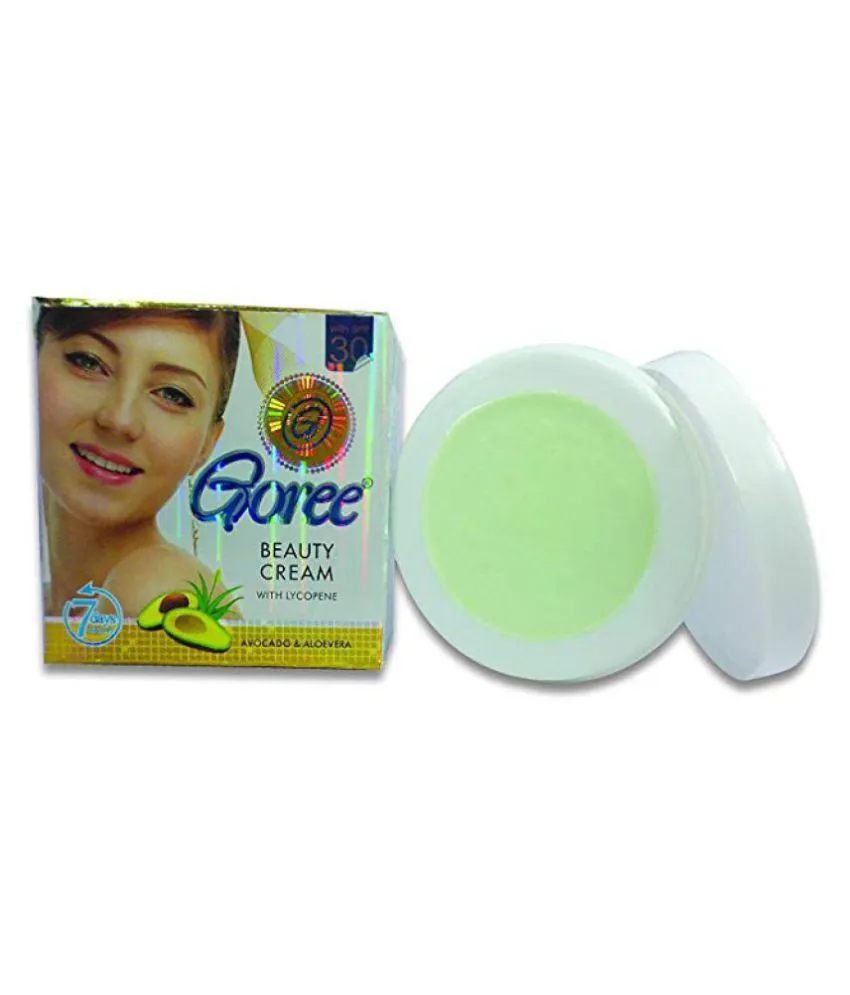
What is Goree Whitening Cream?
Goree Whitening Cream is a cosmetic product marketed for its skin-lightening properties. It’s widely available, especially in certain regions, and is often promoted as a solution for achieving a fairer complexion, reducing dark spots, and evening out skin tone. The cream’s popularity stems from the desire for lighter skin, a beauty standard prevalent in many cultures. However, it’s crucial to understand the potential risks associated with its use, as the ingredients and their effects on the skin can be significant. Many consumers are unaware of the potential adverse reactions and long-term consequences that can arise from using such products, leading to health issues and skin damage.
Understanding the Active Ingredients
To comprehend the side effects of Goree Whitening Cream, it’s essential to examine its active ingredients. Commonly, the cream contains ingredients like hydroquinone, a potent skin-lightening agent, and mercury. Hydroquinone works by inhibiting melanin production, which gives skin its pigment. While effective in reducing dark spots and lightening skin, hydroquinone carries risks, especially with prolonged use or in high concentrations. Mercury, on the other hand, is a heavy metal used for its bleaching properties. However, it poses severe health risks, including neurological damage and kidney problems. Understanding these ingredients is the first step in assessing the potential hazards associated with Goree Whitening Cream.
Main Side Effect 1 Skin Irritation

Skin irritation is a prevalent side effect of Goree Whitening Cream. The potent chemicals in the cream, such as hydroquinone, can be harsh on the skin, leading to inflammation and discomfort. This irritation can manifest as redness, itching, burning, and a general feeling of sensitivity. The intensity of the irritation can vary depending on individual skin sensitivity, the concentration of the active ingredients, and the duration of use. Continued use of the cream, especially without proper precautions or medical advice, can exacerbate the irritation and lead to more severe skin issues.
Symptoms of Skin Irritation
The symptoms of skin irritation from Goree Whitening Cream can range from mild to severe. Mild irritation may include slight redness, a tingling sensation, or minor itching. More severe reactions can involve intense redness, blistering, peeling, and a burning sensation. Some individuals may experience swelling, especially around the application area. If the cream contains mercury, the irritation could be accompanied by other systemic symptoms, like fatigue or headache. Recognizing these symptoms early is crucial for stopping the cream’s use and seeking medical advice to prevent further damage to the skin.
How to Minimize Skin Irritation
If you experience skin irritation, the first step is to discontinue using Goree Whitening Cream immediately. Wash the affected area with gentle, fragrance-free soap and lukewarm water. Applying a soothing, hypoallergenic moisturizer can help alleviate some symptoms. Avoid using any other skincare products that might further irritate the skin. In cases of severe irritation, it’s crucial to consult a dermatologist or healthcare professional. They may prescribe topical corticosteroids or other treatments to reduce inflammation and promote healing. Additionally, consider alternative skin-lightening options that are safer and less likely to cause irritation.
Main Side Effect 2 Skin Thinning

Prolonged use of Goree Whitening Cream, particularly those containing hydroquinone, can lead to skin thinning. Hydroquinone inhibits melanin production, but it can also affect the skin’s structure, reducing the production of collagen and elastin, which are essential for skin’s thickness and elasticity. This process makes the skin more fragile and susceptible to damage. Over time, the skin becomes less able to protect itself from external factors like sun exposure and injury. This thinning can cause visible changes, making the skin look more translucent and showing underlying blood vessels.
Why Skin Thinning Occurs
Skin thinning occurs due to the way hydroquinone affects the skin’s cellular processes. Hydroquinone inhibits the enzyme tyrosinase, which is vital for melanin production. However, this action can also disrupt the normal functioning of melanocytes and other skin cells. This disruption can reduce the production of collagen and elastin, which are structural proteins crucial for skin thickness and elasticity. Over time, the skin loses its natural support structure, leading to a thinner, more delicate appearance. The use of other harsh chemicals in the cream can also contribute to this effect, further weakening the skin’s integrity.
Consequences of Skin Thinning
The consequences of skin thinning from Goree Whitening Cream can be significant. Thinned skin is more vulnerable to sun damage, leading to premature aging, wrinkles, and an increased risk of skin cancer. It also becomes more prone to bruising, tearing, and scarring. The skin’s protective barrier weakens, making it more susceptible to infections and irritants. Furthermore, skin thinning can alter the skin’s overall appearance, giving it a fragile and unhealthy look. It’s essential to recognize the risks associated with skin thinning and take proactive measures to protect your skin’s health.
Main Side Effect 3 Increased Sensitivity to Sun
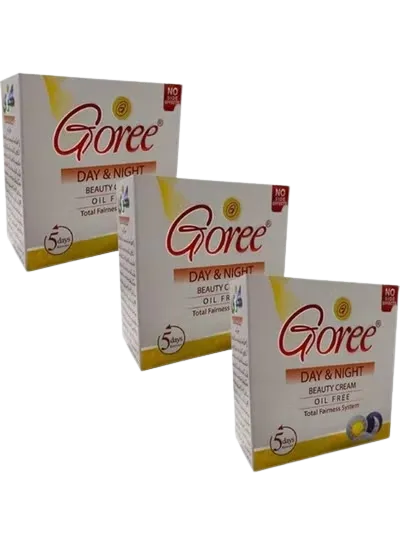
Goree Whitening Cream can significantly increase your skin’s sensitivity to the sun. This heightened sensitivity is primarily due to the cream’s active ingredients, particularly hydroquinone. By reducing melanin production, hydroquinone makes the skin less able to defend itself against the damaging effects of ultraviolet (UV) radiation. This means that even short periods of sun exposure can lead to sunburn, inflammation, and long-term damage, such as premature aging and an increased risk of skin cancer. Protecting your skin from the sun becomes even more critical when using this type of cream.
The Role of Hydroquinone
Hydroquinone, a primary component in Goree Whitening Cream, reduces melanin, which gives the skin its color and protects it from UV rays. By reducing melanin, hydroquinone effectively lightens the skin. However, it also compromises the skin’s natural defense mechanisms against the sun. Melanin acts as a natural sunscreen, absorbing UV radiation and preventing it from damaging skin cells. When melanin levels are reduced, the skin becomes more vulnerable to the harmful effects of UV exposure, leading to increased sensitivity, sunburn, and other sun-related issues.
Protecting Your Skin from the Sun
If you use Goree Whitening Cream, protecting your skin from the sun is paramount. This includes using a broad-spectrum sunscreen with an SPF of 30 or higher every day, even on cloudy days. Reapply sunscreen every two hours, especially if you’re outdoors. Wear protective clothing, such as long sleeves, pants, and a wide-brimmed hat, to shield your skin from direct sunlight. Seek shade during peak sun hours (typically between 10 AM and 4 PM). Avoiding tanning beds and sunbathing is also essential to minimize sun exposure and protect your skin.
Main Side Effect 4 Development of Acne

Using Goree Whitening Cream can sometimes lead to the development of acne. The cream’s ingredients, along with their effects on the skin, can disrupt the natural balance of skin oils and cellular turnover, leading to clogged pores and acne breakouts. Some ingredients may also irritate the skin, causing inflammation that contributes to acne. Moreover, the use of occlusive ingredients in the cream can trap oil and dead skin cells, promoting the formation of comedones (blackheads and whiteheads) and, eventually, acne lesions.
The Causes of Acne
Acne develops when hair follicles become blocked with oil and dead skin cells. This blockage creates a breeding ground for bacteria, leading to inflammation and the formation of pimples. Goree Whitening Cream can contribute to this process in several ways. It may contain comedogenic ingredients that clog pores, and its effect on skin cell turnover can disrupt the natural shedding of dead cells. Inflammation caused by the cream’s other ingredients can further exacerbate the condition. In addition, changes in skin’s natural oil production caused by the cream can also trigger acne. The exact causes can vary, but the cream’s formulation often plays a significant role.
Managing Acne Breakouts
If you develop acne while using Goree Whitening Cream, there are several steps you can take to manage the breakouts. First and foremost, discontinue using the cream. Cleanse your face twice daily with a gentle, non-comedogenic cleanser to remove excess oil and impurities. Use over-the-counter acne treatments containing benzoyl peroxide or salicylic acid to help clear clogged pores and reduce inflammation. Avoid picking or squeezing pimples, as this can worsen inflammation and lead to scarring. If your acne is severe or persistent, consult a dermatologist for professional treatment options.
Main Side Effect 5 Mercury Poisoning

One of the most dangerous side effects associated with some Goree Whitening Creams is mercury poisoning. Some formulations may contain mercury, a heavy metal that is toxic to humans. Mercury can be absorbed through the skin, leading to serious health problems. Even small amounts of mercury exposure can cause significant harm. Mercury poisoning can affect the kidneys, brain, and nervous system, leading to long-term health issues and irreversible damage. The presence of mercury in cosmetic products is illegal in many countries due to its severe health risks.
The Dangers of Mercury
Mercury is a highly toxic metal that poses serious health risks. Exposure to mercury, even through skin contact, can lead to various health problems. Mercury can accumulate in the body, causing kidney damage, neurological disorders, and developmental problems. Pregnant women and young children are particularly vulnerable to the effects of mercury. Mercury poisoning can cause irreversible damage to the nervous system, leading to symptoms like tremors, memory loss, and cognitive impairment. Prolonged exposure can also lead to kidney failure and other severe health complications. Therefore, it’s crucial to avoid products containing mercury.
Symptoms of Mercury Poisoning
The symptoms of mercury poisoning can vary depending on the level and duration of exposure. Early symptoms may include skin rashes, abnormal sensations (like tingling or burning), and changes in mood or behavior. As mercury accumulates in the body, more severe symptoms can develop. These may include kidney damage, neurological problems like tremors and memory loss, and vision or hearing problems. In severe cases, mercury poisoning can lead to organ failure and even death. If you suspect you have been exposed to mercury, seek medical attention immediately and undergo testing to assess the level of mercury in your body.
Conclusion Making an Informed Decision

In conclusion, Goree Whitening Cream carries significant risks, including skin irritation, skin thinning, increased sun sensitivity, the development of acne, and the potential for mercury poisoning. While the product is marketed for its skin-lightening properties, the potential side effects outweigh the benefits for many users. Consumers should carefully consider the ingredients, potential risks, and long-term consequences before using this or any other skin-whitening product. It’s essential to prioritize skin health and safety and to explore safer, dermatologist-recommended alternatives for achieving desired skin tones. Consulting a healthcare professional is highly recommended for personalized advice and to avoid harmful health complications.