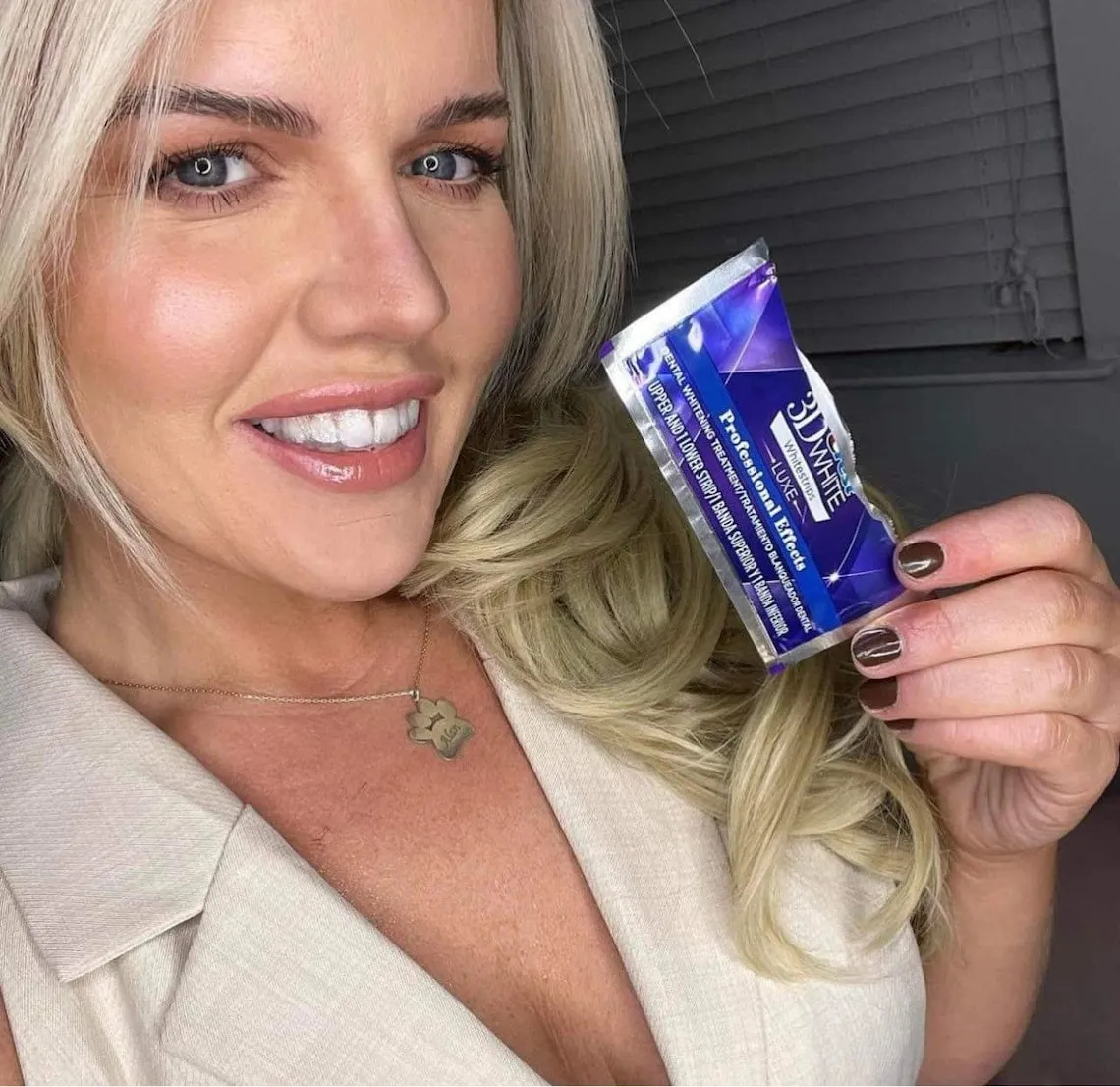
Crest Whitening Strips have become a popular choice for achieving a brighter smile. However, questions often arise regarding their impact on tooth enamel. This article delves into the science behind Crest Whitening Strips, the structure and function of enamel, and the critical factors to consider when using these products. Understanding these elements will empower you to make informed decisions about your oral health while striving for a dazzling smile. We’ll explore key facts and provide best practices to help you navigate the world of teeth whitening safely and effectively. The goal is to offer a comprehensive guide that empowers you to maintain both the aesthetics and health of your teeth.
The Science of Crest Whitening Strips
Crest Whitening Strips utilize a chemical process to lighten the color of your teeth. The primary active ingredient responsible for this whitening effect is typically hydrogen peroxide. The strips are designed to adhere to the surface of your teeth, delivering the whitening agent directly to the enamel. This targeted approach aims to minimize the exposure of surrounding tissues while maximizing the efficacy of the treatment. By understanding how these strips work, we can better appreciate the potential effects on your tooth enamel.
How Crest Strips Work
The process begins when the hydrogen peroxide in the whitening strips comes into contact with the stains on your teeth. This contact initiates an oxidation reaction, breaking down the stain molecules into smaller, less noticeable components. These smaller molecules reflect less light, resulting in a perception of whiter teeth. The duration of application and the concentration of hydrogen peroxide play a crucial role in the whitening process. Proper usage is essential to avoid adverse effects and to achieve the desired results while protecting your tooth enamel.
The Role of Hydrogen Peroxide

Hydrogen peroxide is the active agent responsible for the teeth whitening process. Its ability to penetrate the enamel and break down stain molecules is what makes it effective. However, it can also potentially affect the enamel itself. The concentration of hydrogen peroxide in Crest Whitening Strips varies, with higher concentrations potentially leading to faster whitening but also increasing the risk of sensitivity or enamel erosion. Understanding the role of this key ingredient helps in making informed choices about the type of whitening treatment you choose. Using the right concentration according to your teeth condition is important.
Understanding Tooth Enamel
Tooth enamel is the outermost layer of your teeth and the hardest substance in the human body. It serves as a protective shield against daily wear and tear, as well as acids and bacteria in your mouth. Its composition and structure play a vital role in the health and appearance of your teeth. Understanding the properties of enamel is fundamental to assessing the potential impact of any whitening treatment, including the use of Crest Whitening Strips. Protecting this layer is key to long-term oral health.
What is Tooth Enamel?
Tooth enamel is primarily composed of minerals, with the main component being hydroxyapatite. This mineral structure gives enamel its strength and resilience. However, it is also porous, which means it can absorb stains from food and drinks over time. The porosity of enamel is a key factor in why teeth whitening treatments work, but it also makes enamel susceptible to erosion from acids, potentially leading to sensitivity and other dental issues. Maintaining the integrity of enamel is essential for healthy teeth.
The Function of Enamel

The primary function of enamel is to protect the underlying dentin and the sensitive pulp of the tooth. It acts as a barrier against physical, chemical, and thermal stimuli. Enamel also contributes to the shape and color of your teeth. When enamel is damaged or thinned, the dentin becomes more exposed, increasing the risk of sensitivity and potential problems. Enamel’s protective role makes it essential to take care of it, especially when considering cosmetic procedures such as teeth whitening.
Top 5 Enamel Facts and Crest Strips
Understanding the potential impact of Crest Whitening Strips on enamel requires considering several key facts. These facts can help you make more informed decisions about your teeth-whitening routine. The following points highlight essential aspects related to enamel and the use of these whitening products. By focusing on these aspects, individuals can make healthier decisions. Let’s delve into some critical information regarding enamel’s interaction with Crest Whitening Strips.
Fact 1 Potential for Sensitivity
One of the most common side effects of using Crest Whitening Strips is increased tooth sensitivity. This is often due to the hydrogen peroxide penetrating the enamel and reaching the dentin, which contains nerve endings. The sensitivity can manifest as sharp, temporary pain when consuming hot or cold foods and drinks. While this sensitivity is usually temporary, it can be uncomfortable. Choosing a lower concentration of hydrogen peroxide or using the strips less frequently can help minimize sensitivity, as can using toothpaste designed for sensitive teeth.
Fact 2 Acidity and Enamel Erosion

Hydrogen peroxide can be slightly acidic, and prolonged exposure to acidic substances can potentially erode enamel. This erosion can weaken the enamel, making teeth more susceptible to cavities and sensitivity. The risk of erosion is generally low with the recommended use of Crest Whitening Strips, but it is important to adhere to the instructions and avoid overuse. Using fluoride toothpaste can help remineralize the enamel and counteract the effects of acidity. If you experience signs of erosion, consult your dentist immediately.
Fact 3 Remineralization Process
The good news is that enamel has a natural remineralization process. This means that the minerals lost due to minor erosion can be replenished through saliva and the use of fluoride. Fluoride helps strengthen enamel and makes it more resistant to acid attacks. Using fluoride toothpaste and mouthwash can support this remineralization process. Regular dental check-ups and professional fluoride treatments can further enhance enamel strength and help maintain oral health, even if you are using teeth whitening products.
Fact 4 Individual Tooth Conditions
The impact of Crest Whitening Strips on enamel can vary depending on individual tooth conditions. Factors such as existing dental work (fillings, crowns), enamel thickness, and the presence of microcracks can influence how the teeth respond to the whitening treatment. Individuals with thinner enamel or pre-existing dental issues may experience greater sensitivity or potential damage. Consulting a dentist before using these strips is essential, particularly if you have any existing dental concerns, to ensure the treatment is suitable and safe for your teeth.
Fact 5 Proper Usage is Crucial

Adhering to the instructions provided with Crest Whitening Strips is crucial for minimizing potential enamel damage. Overuse or using the strips for longer than recommended can increase the risk of side effects. Avoiding applying strips to damaged areas is also critical. Following the guidelines provided by the manufacturer helps ensure that you get the best results while protecting your enamel. If you have any doubts or questions about the proper use of these strips, it’s always best to seek guidance from a dental professional.
Best Practices for Using Crest Strips to Protect Enamel
To safely use Crest Whitening Strips and protect your enamel, several best practices should be followed. This includes consulting with your dentist, adhering to the instructions, and managing any sensitivity that may arise. These steps will ensure you achieve a brighter smile while maintaining optimal oral health. Always prioritize the well-being of your teeth and gums. By following these recommendations, you can minimize potential risks and enjoy the benefits of a whiter smile.
Consultation with a Dentist
Before using Crest Whitening Strips, it’s highly recommended to consult with your dentist. Your dentist can assess the health of your teeth and gums, identify any potential issues, and advise you on whether the strips are suitable for you. They can also provide personalized recommendations and help you avoid any unexpected complications. Regular dental check-ups will allow dentists to identify and address potential problems early. Their expert assessment can save you from any unnecessary damage. It’s a proactive approach to ensure a bright and healthy smile.
Adhering to the Instructions

Always carefully follow the instructions provided with Crest Whitening Strips. This includes the recommended duration of use, frequency, and any specific precautions. Using the strips longer than recommended or more frequently than advised can increase the risk of enamel damage and sensitivity. Be sure to read and understand all the instructions to ensure safe and effective use. If you are unsure about any aspect of the instructions, reach out to your dentist or the manufacturer for clarification.
Managing Sensitivity
If you experience tooth sensitivity, there are several steps you can take to manage it. Using toothpaste designed for sensitive teeth can help reduce discomfort by blocking the tubules in the dentin and desensitizing the nerves. Avoiding very hot or cold foods and drinks during and immediately after treatment can also help. In severe cases, consult your dentist, who may recommend a fluoride treatment or other solutions to alleviate the sensitivity. Proper care can make the experience more comfortable.
Alternative Whitening Methods
If you’re concerned about the potential impact of Crest Whitening Strips on your enamel, there are alternative teeth whitening methods to consider. These include professional whitening treatments performed by your dentist, which often use stronger whitening agents under controlled conditions. Other options include whitening toothpastes, mouthwashes, and over-the-counter whitening gels that are used with custom trays. Discuss these options with your dentist to find the most suitable and safe teeth-whitening solution for your specific needs.
In conclusion, while Crest Whitening Strips can effectively brighten your smile, it’s essential to understand their potential impact on tooth enamel. Following best practices, consulting with a dentist, and being aware of the key facts will help you achieve a whiter smile safely. Remember that oral health is a long-term investment, and any cosmetic treatment should be approached with caution and care. Prioritize your health and make informed decisions about your oral care. By understanding the science, the risks, and the alternatives, you can confidently pursue a brighter smile while maintaining the health of your teeth.