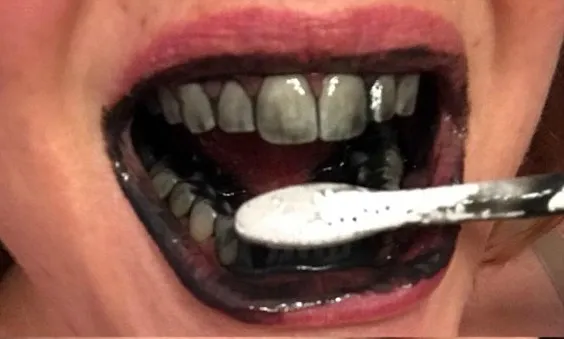
Charcoal Whitening Results Top 5 Facts
Are you curious about charcoal whitening results and wondering if it’s the right choice for your smile? Activated charcoal has become a popular trend in the world of oral hygiene, promising to deliver a brighter, whiter smile. However, it’s essential to approach this method with a clear understanding of its benefits, limitations, and potential risks. This article delves into the top 5 facts you need to know about charcoal whitening results, providing a comprehensive overview to help you make informed decisions about your dental care. From understanding how activated charcoal works to the best practices for achieving optimal outcomes, we’ll cover everything you need to know to brighten your smile safely and effectively.
Fact 1 Understanding Activated Charcoal
Activated charcoal is a fine, black powder made from various materials, such as coconut shells, wood, or bamboo. The ‘activated’ part refers to the process where the charcoal is treated with oxygen at high temperatures, which increases its porosity. This increased porosity is the key to its effectiveness, as it allows the charcoal to trap and remove substances. This makes it effective in absorbing toxins and other substances. In the context of teeth whitening, activated charcoal is believed to work by adsorbing stains and debris from the surface of the teeth, leading to a brighter appearance. Choosing a reputable source for your activated charcoal is paramount for safety and efficacy. Ensure the charcoal is food-grade and sourced from a trusted manufacturer to avoid any contaminants or harmful additives. This foundational understanding is crucial before embarking on your charcoal whitening journey.
How Activated Charcoal Works for Teeth

The mechanism behind activated charcoal’s teeth-whitening capabilities lies in its absorbent properties. Because it’s highly porous, it can attract and bind to stains and particles on the teeth’s surface. These stains are often caused by foods, drinks like coffee and tea, and tobacco use. As you brush with activated charcoal, it helps to gently lift away these stains, revealing a brighter, cleaner surface. It’s important to note that activated charcoal primarily targets surface stains and may not be as effective for intrinsic stains that are deeper within the tooth structure. Consistent use can lead to noticeable improvements in the appearance of your teeth, but it’s vital to manage expectations and be aware of its limitations compared to professional whitening treatments.
The Importance of Charcoal Source
Not all activated charcoal products are created equal, and the source material significantly impacts its quality and safety. Opt for activated charcoal derived from reputable sources like coconut shells or bamboo, as these materials tend to be purer and free from harmful chemicals. Always check the product label to ensure it’s food-grade, meaning it’s safe for ingestion and use in the mouth. Avoid products with added artificial flavors, colors, or other additives, as these can be counterproductive or even harmful. Researching the manufacturer and reading customer reviews can provide valuable insights into the product’s effectiveness and safety. Choosing a high-quality, well-sourced activated charcoal product is the first step towards achieving positive charcoal whitening results.
Fact 2 Effectiveness and Limitations
While many people experience positive charcoal whitening results, it’s crucial to understand its limitations. Activated charcoal is most effective at removing surface stains, such as those caused by coffee, tea, and tobacco. It can help to brighten the teeth and improve their overall appearance. However, it may not be as effective on intrinsic stains that are located within the tooth structure. For more stubborn or deep-seated discoloration, professional teeth whitening treatments from a dentist may be necessary. It’s essential to manage your expectations and understand what activated charcoal can realistically achieve for your smile. Results vary from person to person depending on the severity of the stains, the frequency of use, and individual oral hygiene habits. Combining activated charcoal with other oral care practices, such as regular brushing and flossing, can optimize its effectiveness and contribute to a healthier, brighter smile.
Whitening Potential vs. Staining Removal

The primary benefit of using activated charcoal is its ability to remove surface stains, leading to a perception of whiter teeth. The charcoal works by gently exfoliating the enamel and lifting away stain-causing particles. However, it doesn’t chemically alter the color of the teeth in the same way that professional whitening treatments do. Those treatments use bleaching agents to penetrate the enamel and change the color of the tooth structure. The whitening potential of activated charcoal is more about returning the teeth to their natural color. It is less about achieving a significantly brighter shade beyond that. Consequently, if your teeth have intrinsic stains or are naturally dark, the results may be more subtle. Regular use can maintain a clean and bright appearance. Also, it supports overall oral health by removing surface debris.
Individual Results and Expectations
Charcoal whitening results vary significantly from person to person. Factors such as the type and severity of stains, oral hygiene habits, and the frequency of use all play a role. Some individuals may notice a significant improvement in the brightness of their teeth within a few weeks. Others may see more gradual changes over a longer period. It’s essential to set realistic expectations and understand that activated charcoal may not produce dramatic, overnight results. Consistency is key. Regular use, coupled with proper brushing and flossing techniques, will yield the best outcomes. If you have particularly stubborn stains or are aiming for a much whiter smile, consider consulting a dentist. They can recommend professional whitening treatments that may be more suitable for your needs.
Fact 3 Proper Application Techniques
The way you apply activated charcoal significantly impacts its effectiveness and safety. The most common method involves mixing a small amount of charcoal powder with water to create a paste or using a charcoal-infused toothpaste. It’s essential to use a soft-bristled toothbrush to avoid any abrasion to the enamel. Gently brush your teeth in circular motions for about two minutes, ensuring you cover all surfaces. Rinse your mouth thoroughly with water after brushing, making sure to remove all traces of the charcoal. Be mindful of not swallowing any charcoal, as it’s not designed for internal consumption. Proper technique minimizes the risk of any potential damage and helps you achieve the best charcoal whitening results.
Brushing Techniques for Optimal Results

Effective brushing is key to maximizing charcoal whitening results. Use a soft-bristled toothbrush to gently scrub the teeth, avoiding excessive pressure that could potentially damage the enamel. Brush in a circular motion, ensuring you cover all surfaces of each tooth, including the front, back, and chewing surfaces. Focus on areas with more noticeable staining, but avoid scrubbing too vigorously. Brushing for about two minutes is recommended. This ensures that the charcoal has enough time to work on removing stains. After brushing, rinse your mouth thoroughly with water to remove any remaining charcoal particles. Then, you can follow up with your regular toothpaste to remineralize the enamel and freshen your breath. Proper brushing technique protects your teeth while enhancing the charcoal’s whitening effects.
Frequency of Use and Avoiding Overuse
While activated charcoal can be an effective teeth-whitening method, overuse can lead to potential dental problems. It’s important to moderate the frequency of use to avoid any adverse effects. Most experts recommend using activated charcoal for teeth whitening no more than once or twice a week. Overuse can lead to enamel abrasion, which makes your teeth more sensitive and susceptible to cavities. Listen to your teeth. If you experience increased sensitivity or discomfort, reduce the frequency or discontinue use. Always prioritize your oral health. You can alternate with your regular toothpaste to maintain a healthy balance. Consistent, yet moderate use is key to achieving positive charcoal whitening results without compromising your dental health.
Fact 4 Potential Risks and Side Effects
While generally considered safe when used properly, activated charcoal does come with potential risks and side effects. One of the primary concerns is enamel abrasion. The abrasive nature of the charcoal can, over time, wear down the enamel. This makes teeth more sensitive to hot and cold temperatures and increases the risk of cavities. Additionally, some people may experience temporary tooth sensitivity or gum irritation. Other side effects can include staining of dental work, such as fillings or crowns, and a slightly altered taste in the mouth. Being aware of these potential risks is crucial to making an informed decision and using activated charcoal safely.
Sensitivity and Enamel Erosion Concerns

The abrasive nature of activated charcoal raises concerns about enamel erosion. Over time, the repeated brushing with charcoal can wear down the enamel, which is the protective outer layer of your teeth. Once the enamel is compromised, your teeth become more vulnerable to sensitivity and decay. If you experience increased sensitivity or notice any changes in the texture or appearance of your teeth, it’s essential to reduce the frequency of use or stop using charcoal altogether. Using a toothpaste with fluoride can help to remineralize the enamel and strengthen the teeth. It is essential to prioritize the health of your enamel. Protecting it is key for maintaining a healthy smile and avoiding long-term dental issues. Consider consulting with a dental professional if you have any concerns about enamel erosion.
Consulting with a Dental Professional
Before incorporating activated charcoal into your oral hygiene routine, it’s wise to consult with a dental professional. They can assess your oral health, identify any pre-existing conditions. They can also determine if charcoal whitening is suitable for you. Your dentist can provide personalized advice based on your specific needs and concerns. They may also suggest alternative whitening treatments if charcoal is not the best option for you. A dental professional can also monitor your teeth for any signs of enamel erosion or other issues. Regular check-ups and professional cleanings are essential for maintaining optimal oral health. Consulting with a dentist ensures that you are taking a safe and effective approach to teeth whitening.
Fact 5 Maintaining Your Results
Achieving charcoal whitening results is just the first step. Maintaining those results requires consistent oral hygiene practices and mindful dietary choices. Regular brushing and flossing are critical for removing plaque and preventing the buildup of stains. Using fluoride toothpaste helps to strengthen the enamel and protect against cavities. In addition to your daily routine, it’s important to schedule regular check-ups and cleanings with your dentist. These appointments allow your dental professional to remove any stubborn stains and monitor your oral health. By following these practices, you can extend the life of your charcoal whitening results and enjoy a brighter, healthier smile for longer.
Oral Hygiene Practices After Whitening

To maintain your charcoal whitening results, adhere to a comprehensive oral hygiene routine. Brush your teeth twice a day with fluoride toothpaste. Ensure you brush for at least two minutes each time. Floss daily to remove plaque and food particles from between your teeth and along the gum line. Rinse your mouth with an antibacterial mouthwash to eliminate bacteria and freshen your breath. Consider using a tongue scraper to remove bacteria and debris from your tongue, which can contribute to bad breath and staining. Regular dental check-ups and professional cleanings are crucial. They will help to keep your teeth clean and healthy. This prevents stains from redeveloping. By diligently practicing these oral hygiene habits, you’ll keep your smile bright and healthy.
Dietary Considerations for Long-Lasting Results
The foods and beverages you consume can significantly impact the longevity of your charcoal whitening results. Certain foods and drinks can stain your teeth. Limiting your intake of these items can help to preserve your brighter smile. Coffee, tea, red wine, and dark-colored juices are known for their staining properties. If you consume these beverages, rinse your mouth with water afterward to reduce the staining effects. Also, avoid or limit foods that are high in sugar and acids. They can erode the enamel, making your teeth more susceptible to staining. Additionally, smoking and tobacco use can stain your teeth and harm your oral health. By making mindful dietary choices and avoiding stain-causing substances, you can significantly extend the life of your charcoal whitening results and enjoy a radiant smile.