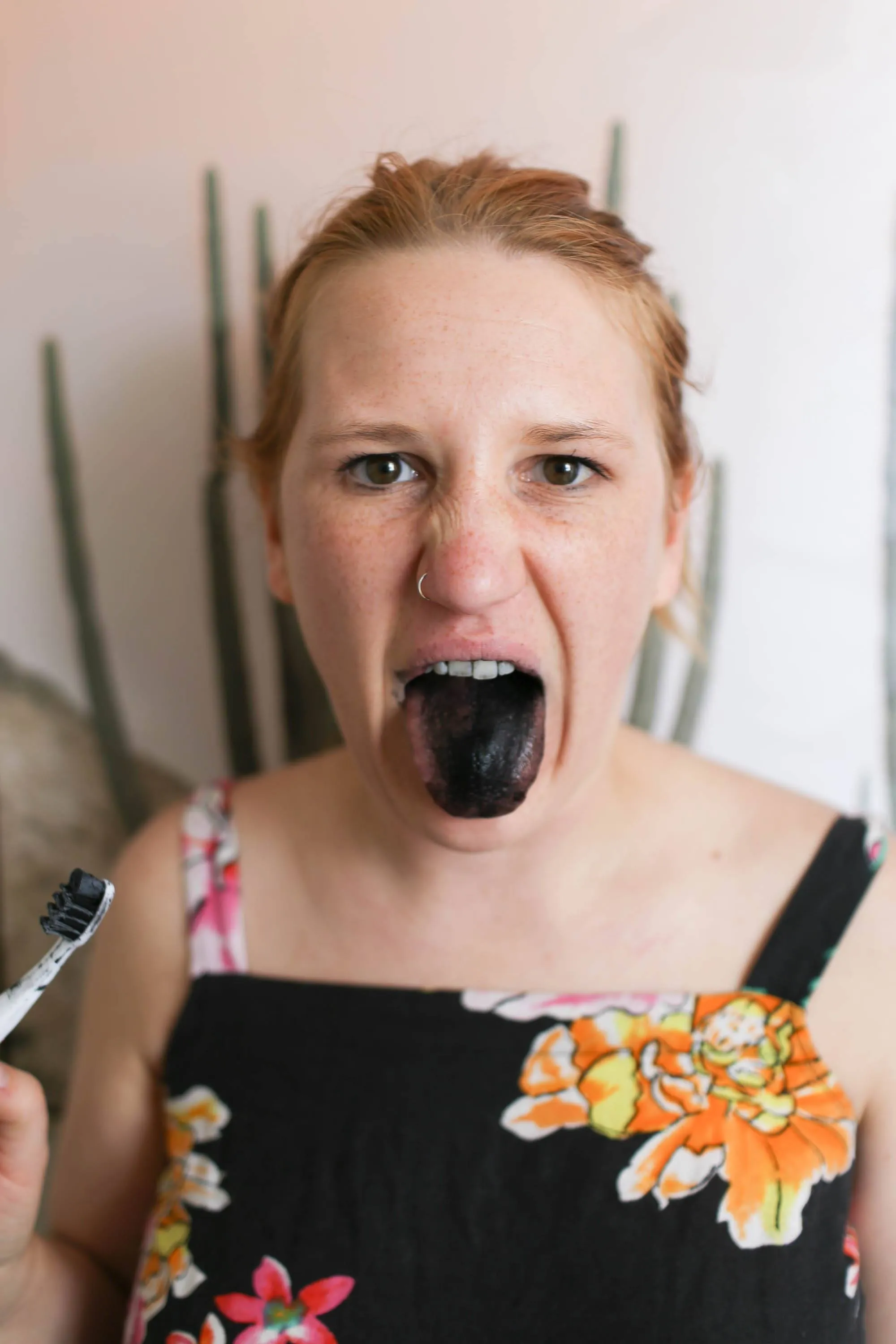
What is Charcoal Teeth Whitening
Charcoal teeth whitening has emerged as a popular trend in the realm of oral hygiene, offering a natural alternative to traditional teeth whitening methods. It involves the use of activated charcoal, a fine black powder derived from sources like coconut shells, wood, or other organic materials. This activated charcoal is processed to increase its absorbency, making it effective in attracting and removing stains from the teeth. The premise behind charcoal teeth whitening is that the charcoal particles bind to the stains on the teeth, effectively lifting them away. This method has gained traction due to its perceived natural properties and the absence of harsh chemicals often found in conventional whitening products. However, it’s crucial to understand how charcoal teeth whitening works and its implications before incorporating it into your oral care routine.
How Does Charcoal Teeth Whitening Work
The mechanism behind charcoal teeth whitening relies on the porous and absorbent nature of activated charcoal. When the charcoal powder comes into contact with the teeth, it acts like a magnet, attracting and binding to the stains and impurities present on the enamel surface. These stains can be caused by various factors such as coffee, tea, wine, and tobacco. As you brush, the charcoal particles gently scrub away these stains, leading to a brighter appearance. The abrasive nature of charcoal is what contributes to the stain removal, but this is also where some of the potential downsides come into play. It’s essential to use charcoal teeth whitening cautiously and not aggressively to avoid damaging the enamel, which is the protective outer layer of the teeth. The process is more about surface stain removal than a deep, intrinsic whitening effect, which is a crucial distinction to make.
The Top 7 Pros of Charcoal Teeth Whitening

Charcoal teeth whitening has several potential benefits that have contributed to its popularity. It is important to note that while many people have had good experiences, these advantages are not always guaranteed and may vary depending on the individual and the specific product used. Let’s delve into the top 7 pros of using charcoal teeth whitening products, helping you make an informed decision.
Natural Whitening Properties
One of the primary appeals of charcoal teeth whitening is its natural approach to oral care. Unlike many commercial whitening products that contain harsh chemicals like hydrogen peroxide, charcoal is a natural substance. Activated charcoal is derived from organic sources, such as coconut shells, and doesn’t introduce artificial ingredients into your mouth. For those seeking a more holistic and chemical-free approach to teeth whitening, charcoal can be an appealing alternative. This natural aspect can also reduce the risk of certain side effects that are sometimes associated with chemical whitening methods, such as increased tooth sensitivity. However, it’s crucial to remember that ’natural’ doesn’t always equate to ‘harmless’ or ‘superior,’ and it’s essential to understand the potential risks involved as well.
Affordable Option
Compared to professional teeth whitening treatments or expensive over-the-counter products, charcoal teeth whitening can be a relatively inexpensive option. Activated charcoal powder or charcoal-infused toothpastes are generally affordable and accessible. This cost-effectiveness makes it an attractive choice for individuals who want to improve the brightness of their smile without breaking the bank. The financial aspect is a significant advantage, especially for those on a budget or for whom professional dental treatments are not feasible. While the cost-saving is a clear advantage, it’s vital to weigh this against potential drawbacks, like effectiveness and potential risks to dental health. Sometimes, the cheapest option isn’t always the best, particularly when it comes to health and hygiene.
Effective Stain Removal

One of the primary benefits often cited for charcoal teeth whitening is its effectiveness in removing surface stains. The abrasive nature of activated charcoal helps to scrub away stains caused by coffee, tea, wine, and other substances that can discolor teeth. Many users report noticing a difference in the brightness of their smile after using charcoal products, particularly in removing superficial stains. While charcoal may not provide the deep whitening effect of professional treatments, it can be a useful method for improving the appearance of teeth by targeting surface discoloration. The key is to use it consistently and in combination with a good oral hygiene routine, including regular brushing and flossing. However, the effectiveness can vary depending on the type and severity of stains.
Fresher Breath
Many users of charcoal teeth whitening products report an improvement in breath freshness. Activated charcoal is believed to have properties that can help absorb odor-causing compounds in the mouth. This can lead to a cleaner, fresher feeling after brushing. While not a primary function, the ability to combat bad breath is a welcome side effect for many. It is important to note that charcoal is not a substitute for good oral hygiene practices, like regular brushing, flossing, and tongue cleaning, which are essential for maintaining oral health and controlling bad breath. The impact of charcoal on breath freshness may also be temporary and not a long-term solution for underlying issues that cause bad breath.
Easy to Use
Charcoal teeth whitening products are generally easy to incorporate into your existing oral hygiene routine. Charcoal can be found in powder or toothpaste form, which can be used similarly to regular toothpaste. The application process is straightforward, and there is no complex procedure involved. This ease of use makes it a convenient choice for those seeking to enhance their smile without adding significant complexity to their daily habits. Just remember to follow the instructions on the product label and brush gently to avoid potential damage to your enamel and gums. The convenience is a significant advantage, especially for individuals with busy lifestyles who want an easy and accessible way to care for their teeth.
Accessibility and Availability

Activated charcoal products for teeth whitening are widely available, making them easy to access. They can be found in most drugstores, supermarkets, and online retailers. This accessibility means that you can start using charcoal teeth whitening without having to make a special trip to a specialized store. The ease of purchase is a great advantage for consumers. The widespread availability also means you can easily compare brands, read reviews, and choose the products that best suit your needs and budget. This broad accessibility makes it a convenient choice for many people looking to try this teeth-whitening method.
Environmentally Friendly
Charcoal teeth whitening, especially when using products derived from sustainable sources like coconut shells, can be considered an environmentally friendly option. The production of activated charcoal often involves using renewable resources, and many brands focus on sustainable practices. If you’re environmentally conscious, the use of charcoal might align with your values. Choosing products from companies that prioritize eco-friendly packaging can further reduce your environmental impact. This can be an important consideration for consumers who are concerned about sustainability and prefer to make choices that are gentler on the planet. The environmentally friendly aspect of charcoal teeth whitening aligns with the growing consumer demand for sustainable and eco-conscious products.
The Top 7 Cons of Charcoal Teeth Whitening
While charcoal teeth whitening presents several potential benefits, it’s crucial to be aware of the potential drawbacks. These considerations are essential to make an informed decision. Here’s a look at the top 7 cons of charcoal teeth whitening to help you better understand the possible risks and limitations.
Lack of Scientific Evidence

One of the main drawbacks of charcoal teeth whitening is the limited scientific evidence supporting its effectiveness and safety. While anecdotal evidence and user testimonials abound, there are fewer rigorous clinical studies to back up the claims. Many studies have not been conducted to the extent that shows the long-term effect of charcoal on the teeth. Without substantial scientific validation, it’s difficult to assess the true benefits and risks of this method. Dental professionals often express skepticism due to the lack of strong evidence, recommending that people approach charcoal teeth whitening with caution and consult with a dentist before starting.
Potential for Enamel Damage
Activated charcoal is abrasive. The potential for enamel damage is a major concern. Over time, the abrasive particles can wear away at the enamel, leading to tooth sensitivity, increased risk of cavities, and permanent discoloration. When the enamel erodes, the underlying dentin becomes exposed, making teeth appear yellower. Moreover, once the enamel is gone, it cannot be restored. The extent of the damage depends on the frequency and method of use. Using charcoal too vigorously or too often can cause micro-abrasions on the enamel surface. It’s crucial to brush gently and avoid excessive pressure, especially when using charcoal products.
Gum Irritation
The abrasive nature of charcoal can irritate the gums. The gritty particles can cause inflammation and damage, leading to gum recession and sensitivity. If you have existing gum problems, such as gingivitis or periodontitis, using charcoal teeth whitening can exacerbate these conditions. The irritation may result in pain, bleeding, and an increased risk of infection. It’s important to be very careful when using charcoal products if you have sensitive gums. Avoid brushing too vigorously and monitor your gums for any signs of irritation or discomfort. If you experience these symptoms, it’s essential to stop using the product and consult with a dentist.
Tooth Sensitivity

As mentioned, the abrasive action of charcoal can wear down the enamel. This loss of enamel can make your teeth more sensitive to hot and cold temperatures. Tooth sensitivity is a common side effect reported by users of charcoal teeth whitening products. If the enamel is compromised, the dentin, which contains tubules leading to the nerves of the teeth, becomes exposed. This exposure can cause sharp, shooting pain when consuming hot or cold foods or drinks. If you have sensitive teeth, using charcoal might not be the right choice. Consulting with a dentist can help you determine the best course of action for your teeth-whitening goals without worsening any existing sensitivity issues.
Messy Application
Charcoal teeth whitening can be messy, which can be an inconvenience for many users. The fine black powder can easily spread, staining clothes, countertops, and sinks. It requires careful handling to avoid spills and splatters, which can be particularly challenging for those with busy lifestyles or limited time. Charcoal-infused toothpastes may be slightly less messy than loose powder, but they can still cause staining if not handled properly. This messiness can add extra steps to your routine and may not be ideal if you prefer a quick and clean oral care process. Consider using the product in a well-ventilated area with easy-to-clean surfaces.
Inconsistent Results
The results of charcoal teeth whitening can be inconsistent. While some users experience noticeable improvements in the brightness of their teeth, others see little to no change. The effectiveness of charcoal depends on factors such as the type and severity of stains, the individual’s enamel composition, and the method of use. The results may also be temporary, with the teeth reverting to their original shade over time. If you have deep-seated stains or intrinsic discoloration, charcoal may not be effective. It is best to manage your expectations, and understand that charcoal might not deliver the same results as professional teeth-whitening treatments. The variation in outcomes can lead to disappointment if expectations aren’t met.
Not a Long-Term Solution

Charcoal teeth whitening is generally not considered a long-term solution for teeth whitening. The effect of using charcoal is primarily on removing surface stains, and it does not alter the intrinsic color of the teeth. Over time, as you continue to consume stain-causing foods and drinks, the teeth may gradually revert to their original color. The use of charcoal may have to be repeated frequently to maintain the desired results. For more permanent and dramatic whitening results, professional treatments or other methods might be more suitable. It’s important to manage your expectations and be prepared to use charcoal repeatedly to maintain any whitening effects.
Alternatives to Charcoal Teeth Whitening
There are several alternative methods for teeth whitening that may be more effective and safer than charcoal teeth whitening. These options range from over-the-counter products to professional dental treatments. Understanding these alternatives is important for making an informed decision about your oral care.
Over-the-counter whitening strips or gels are available at most drugstores and can be a convenient option for mild to moderate stains. These products typically contain hydrogen peroxide or carbamide peroxide as the active whitening agent. They are generally easy to use, but the results can vary depending on the product and the severity of the staining. For more significant whitening, professional treatments performed by a dentist are usually the most effective option. These treatments use higher concentrations of bleaching agents and can deliver dramatic results in a short period. Professional whitening is also safer, as it is performed under the supervision of a dental professional.
Another alternative is to focus on preventing stains through dietary and lifestyle choices. Limiting the consumption of stain-causing foods and drinks, such as coffee, tea, and red wine, and avoiding tobacco can help maintain the brightness of your teeth. Regular dental checkups and cleanings are also essential for removing surface stains and maintaining overall oral health. The best approach is often a combination of these strategies. Consulting with a dentist is always recommended for a personalized assessment and guidance on the most suitable teeth-whitening method for your individual needs.