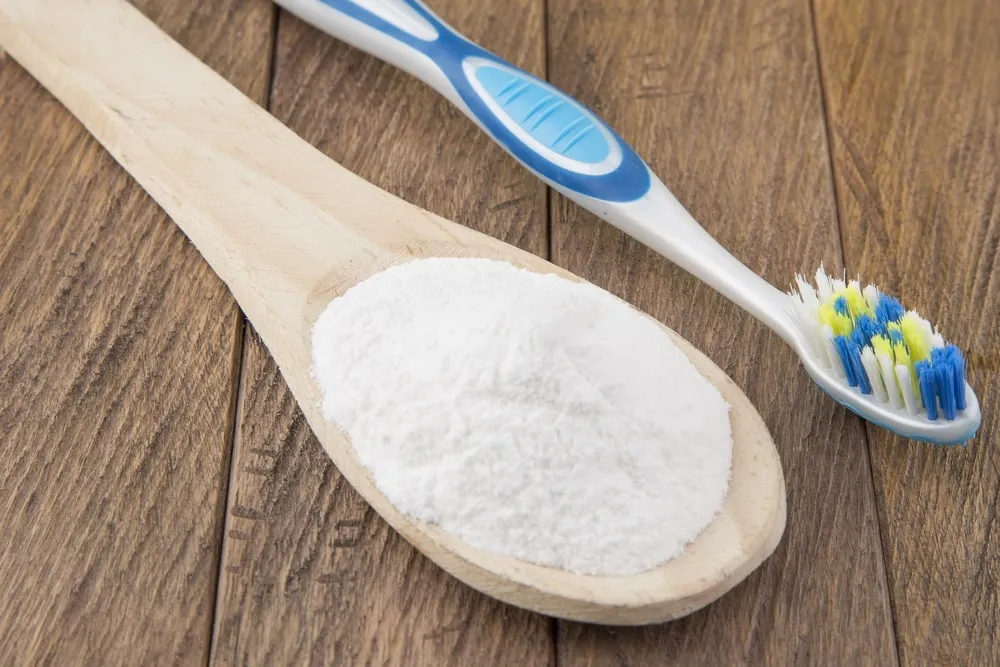
Achieving a brighter, whiter smile is a common goal, and the market is flooded with products promising just that. Among these, baking soda has emerged as a popular, cost-effective, and readily available option. But does it live up to the hype? This article dives deep into the science behind baking soda’s whitening properties, explores its proven benefits, and provides practical advice on how to use it safely and effectively. We’ll also weigh the potential risks and compare baking soda to other teeth-whitening alternatives, ensuring you have all the information you need to make an informed decision about your oral care.
What is Baking Soda and How Does It Work?
Baking soda, or sodium bicarbonate, is a white crystalline powder known for its diverse applications, from cooking to cleaning. In the context of teeth whitening, its properties are particularly relevant. It functions as a mild abrasive and a base, which means it can help to neutralize acids. It’s a simple compound with a complex role in oral hygiene, and understanding its fundamental characteristics is crucial for understanding its potential benefits and risks.
The Science Behind Baking Soda’s Whitening Effect
The whitening effect of baking soda is primarily attributed to two key mechanisms: its abrasive action and its ability to alter the pH balance in the mouth. While it doesn’t chemically alter the color of your teeth in the same way that peroxide-based whiteners do, it helps remove surface stains and plaque buildup that can make teeth appear dull. This is a mechanical process that contributes significantly to a cleaner, brighter smile. It also creates an environment less conducive to bacterial growth, which can further improve oral health.
Baking Soda’s Abrasive Action

Baking soda acts as a gentle abrasive that helps to remove surface stains caused by coffee, tea, wine, and other pigmented foods and drinks. It works by physically scrubbing away these stains, revealing the natural whiteness of your teeth. This abrasive action is relatively mild, but it’s important to use baking soda with caution to avoid damaging the enamel of your teeth. The key is to use the right technique and frequency.
Baking Soda’s pH Level
Baking soda has a slightly alkaline pH, which helps to neutralize the acids in your mouth. These acids, often produced by bacteria feeding on food particles, contribute to tooth decay and can erode enamel over time. By neutralizing these acids, baking soda creates a more favorable environment for oral health. This also helps to reduce the risk of cavities and strengthens the overall defense against the erosion of the teeth.
Top 5 Benefits of Using Baking Soda for Teeth Whitening
Benefit 1 Removing Surface Stains

The primary benefit of using baking soda for teeth whitening is its ability to effectively remove surface stains. These stains are typically caused by the consumption of certain foods and beverages, such as coffee, tea, and red wine, as well as smoking. The mild abrasive action of baking soda helps to scrub away these stains, revealing a brighter and cleaner surface of the teeth. This action provides a noticeable improvement in the appearance of teeth.
Benefit 2 Neutralizing Acids
As previously mentioned, baking soda helps to neutralize acids in the mouth. These acids, produced by bacteria, can erode the enamel and lead to tooth decay. By creating a more alkaline environment, baking soda helps to protect the teeth from acid erosion, thus contributing to overall oral health and reducing the risk of cavities and other dental issues. This is one of the most crucial secondary benefits of baking soda use.
Benefit 3 Mild Abrasive Properties
The mild abrasive nature of baking soda provides a gentle scrubbing action. Unlike harsher abrasive agents, it’s less likely to cause significant damage to the enamel when used properly. This gentle abrasion helps to remove plaque and debris, promoting cleaner teeth and improving the effectiveness of brushing. Proper technique is key to maximizing the benefits while minimizing potential harm.
Benefit 4 Cost-Effectiveness

Compared to many commercial teeth-whitening products and professional treatments, baking soda is incredibly affordable. A box of baking soda can last for months, making it a budget-friendly option for improving the appearance of your smile. This cost-effectiveness makes it an attractive option for those looking for an accessible and inexpensive way to enhance their oral hygiene routine.
Benefit 5 Readily Available
Baking soda is easily found in most grocery stores and pharmacies, making it convenient to incorporate into your oral care routine. This accessibility eliminates the need to search for specialized products or make extra trips to the store. The ease of access enhances the appeal of baking soda as a simple and practical teeth-whitening solution. This ready availability makes it an ideal choice for many individuals.
How to Properly Use Baking Soda for Teeth Whitening
Mixing Baking Soda with Water

The most common method of using baking soda for teeth whitening involves mixing it with water to form a paste. Use a small amount of baking soda (about the size of a pea) and add just enough water to create a paste. Avoid making the paste too thick or too abrasive. Once mixed, apply the paste to your toothbrush and gently brush your teeth. Remember, the goal is to gently scrub, not to aggressively rub.
Adding Other Ingredients
Some people combine baking soda with other ingredients, such as hydrogen peroxide or lemon juice, to enhance its whitening effects. While these combinations may seem appealing, they can increase the risk of enamel erosion and tooth sensitivity. If you choose to experiment with additives, do so with caution and in moderation. Always prioritize the safety and health of your teeth.
Potential Risks and Side Effects
Tooth Sensitivity

One of the potential side effects of using baking soda for teeth whitening is increased tooth sensitivity. The abrasive nature of baking soda can wear away the enamel over time, exposing the dentin underneath. The dentin contains microscopic tubules that lead directly to the nerves in your teeth, making them more sensitive to temperature changes and other stimuli. This heightened sensitivity can be uncomfortable.
Enamel Erosion
Excessive or improper use of baking soda can lead to enamel erosion. Enamel is the hard, protective outer layer of your teeth, and once it’s damaged, it cannot be restored. Erosion can make your teeth more susceptible to cavities, sensitivity, and discoloration. Regularly monitoring the condition of your enamel and using baking soda sparingly is crucial to avoid these issues.
Tips for Safe and Effective Use
Limiting Frequency

To minimize the risks associated with using baking soda, it’s important to limit the frequency of its use. Dentists generally recommend using baking soda for teeth whitening no more than once or twice a week. Overuse can lead to enamel erosion and increase the likelihood of tooth sensitivity. Listen to your teeth and stop use immediately if you experience any discomfort or sensitivity.
Using a Soft-Bristled Brush
Always use a soft-bristled toothbrush when brushing with baking soda. A soft brush is less abrasive than a medium or hard-bristled brush, which helps protect your enamel. Gentle brushing with a soft brush is essential for removing surface stains effectively without causing damage to your teeth. Always brush gently to prevent any unnecessary wear.
Alternatives to Baking Soda for Teeth Whitening
While baking soda can be a helpful tool, it’s not the only option for teeth whitening. There are several alternatives available, each with its own benefits and drawbacks. These include over-the-counter whitening products and professional dental treatments, which offer varying degrees of efficacy and cost. Understanding the differences between these options can help you choose the best method for your individual needs.
Over-the-Counter Whitening Products
Over-the-counter whitening products, such as whitening toothpaste, strips, and gels, often contain hydrogen peroxide or other bleaching agents. These products are readily available and generally less expensive than professional treatments. However, they may not be as effective as professional options and can still cause sensitivity or other side effects. Always follow the instructions and consult your dentist if you have concerns.
Professional Teeth Whitening
Professional teeth whitening treatments, performed by a dentist, are the most effective way to achieve significant whitening results. These treatments use higher concentrations of bleaching agents and can be tailored to your specific needs. While they are generally more expensive, they provide the best results and are performed under the supervision of a dental professional, reducing the risk of damage. Professional options provide the best control over the process.
Baking Soda for Teeth Whitening Reviews and Verdict
Baking soda can be a useful addition to your oral hygiene routine. It offers several benefits, including removing surface stains, neutralizing acids, and being cost-effective. However, it’s essential to use it cautiously to avoid potential side effects, such as tooth sensitivity and enamel erosion. Used properly and in moderation, baking soda can contribute to a brighter smile, but it should not replace regular dental checkups or professional advice. Always consult your dentist to determine the best approach to teeth whitening for your individual needs. Remember, oral health is a long-term commitment.
In conclusion, while baking soda is a viable option for teeth whitening, it should be used with caution and in conjunction with other oral hygiene practices. Regular dental checkups, a balanced diet, and proper brushing and flossing are crucial for maintaining a healthy and bright smile. Combining these practices with the judicious use of baking soda can help you achieve the results you desire.